Jim Harris
Creative Technologist

The world deserves your big idea, but first we have to build it. I partner with individuals, brands and organisations to bring ambitions to life across digital and spatial environments. Creativity and technology are my passion. People and their experience are my business.
Explore the products I've developed, the projects I've delivered and the services I offer. If you're a founder, entrepreneur or project owner, I'd love to hear from you.
Desktop
Web
Mobile
Tablet
Bespoke Software
Complex Domain Solutions
SaaS
Micro-SaaS
UX Innovation
Dashboards
Product Development
Rapid Prototyping
Concept Development
Creative Partner
Interactive Installations
Kiosks
POS Terminals
AI Agents
RAG
LLM Integration
QR Codes
Hardware Integration
Cloud Services
AI-Assisted Development
Vibe-Coding Support
Creative Strategy
Interactive Storytelling
Creative Coding
Oblique Strategies
Creative Consultancy
Technology and The Arts
Projects
Surface
Desktop laboratory for psychoacoustic research
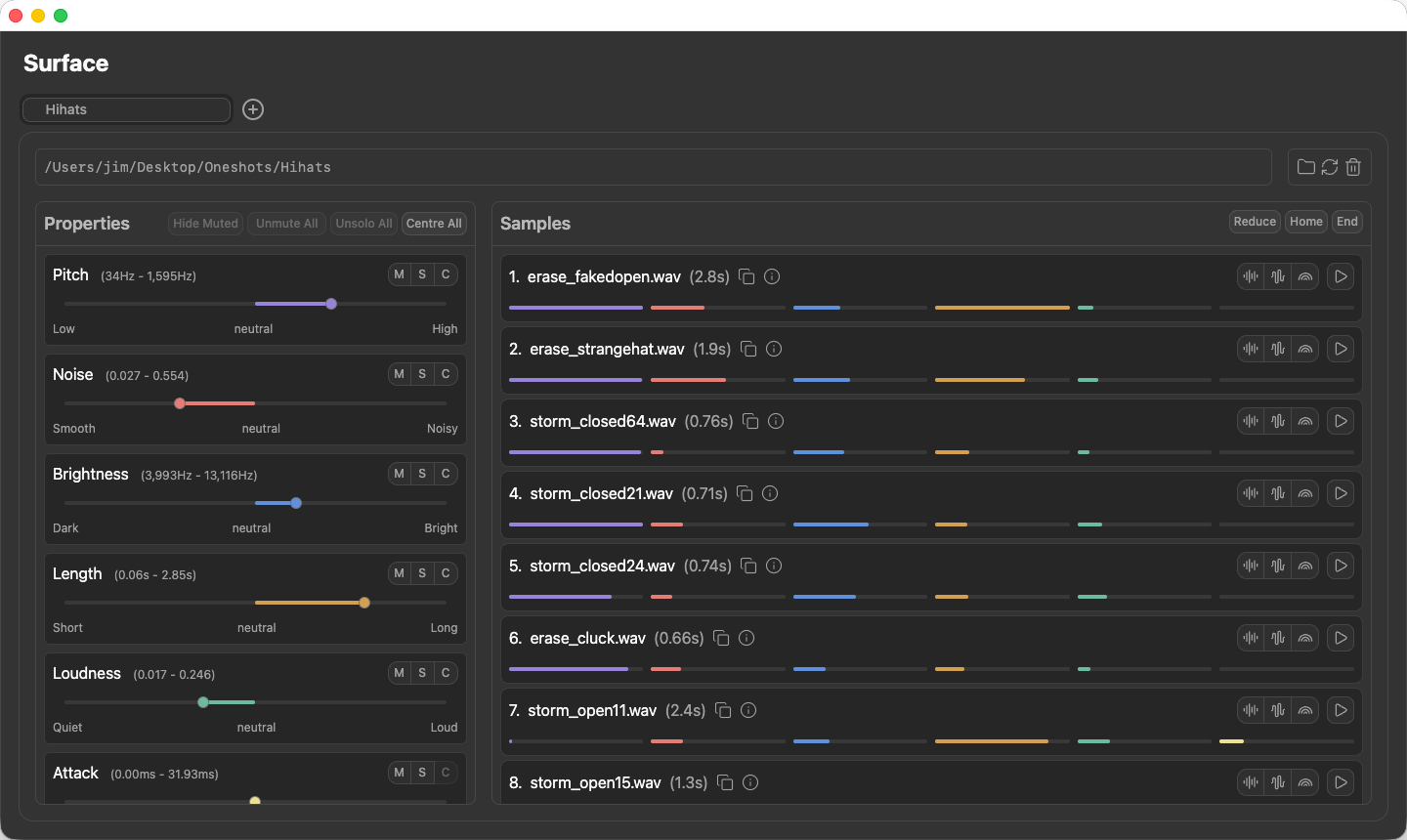
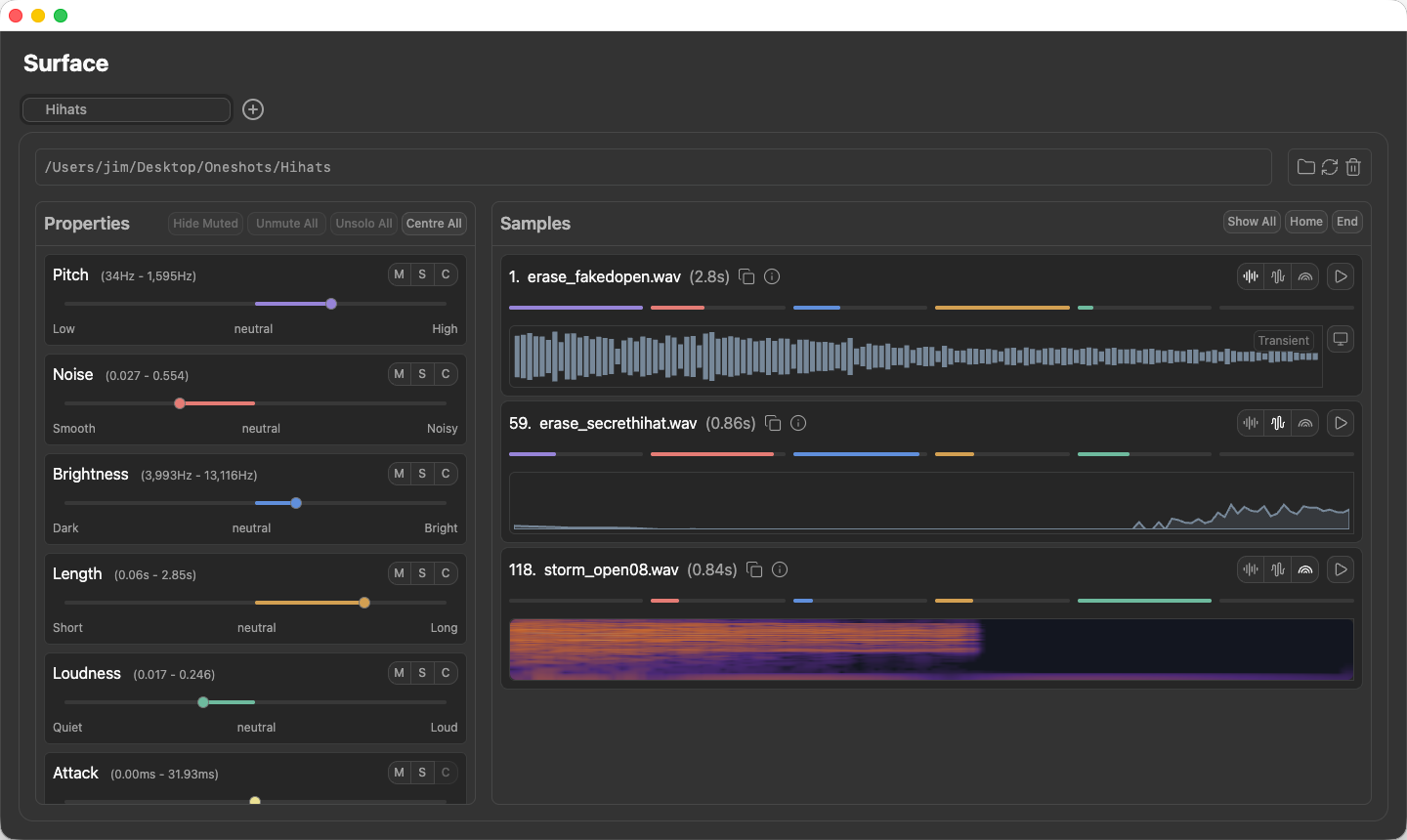
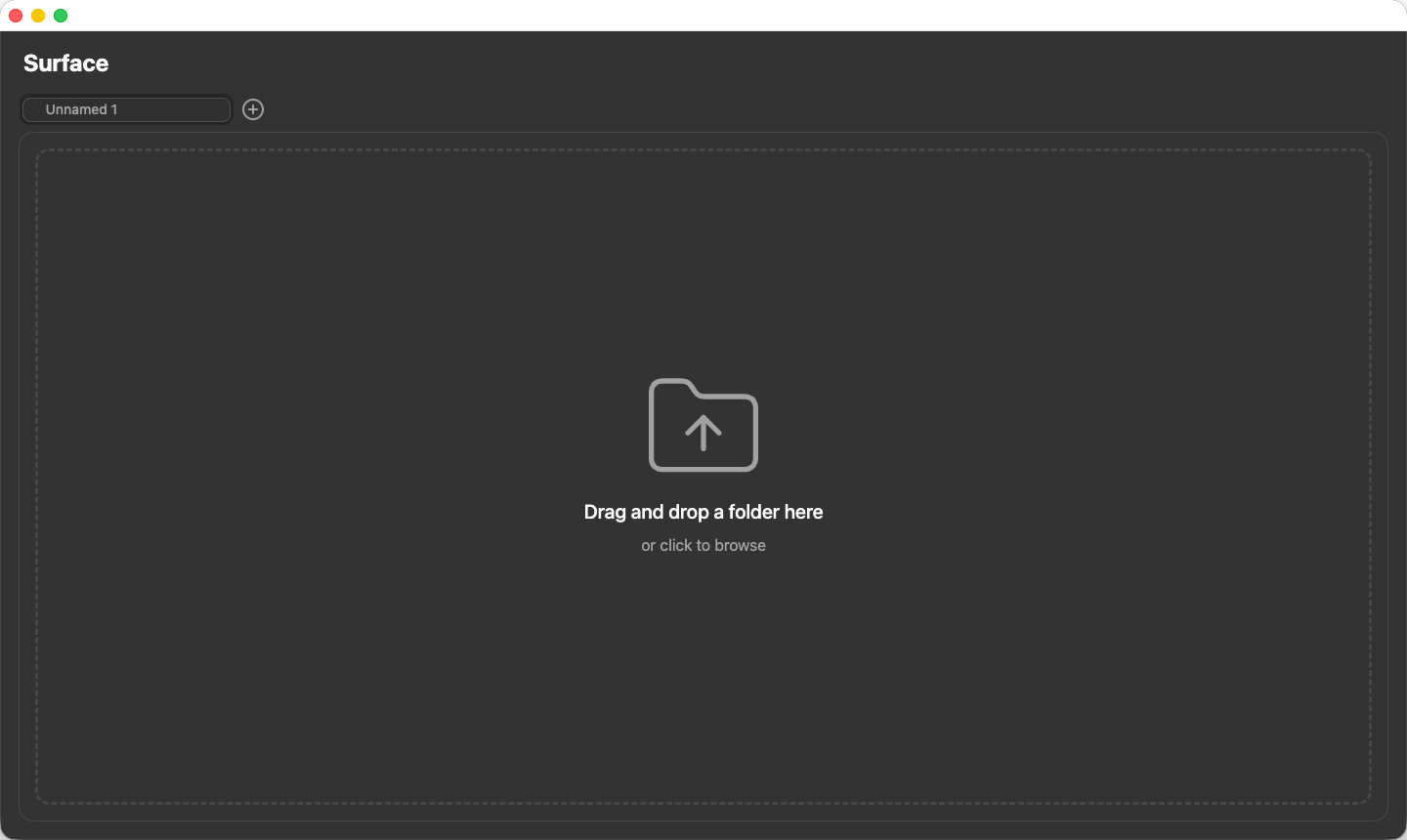
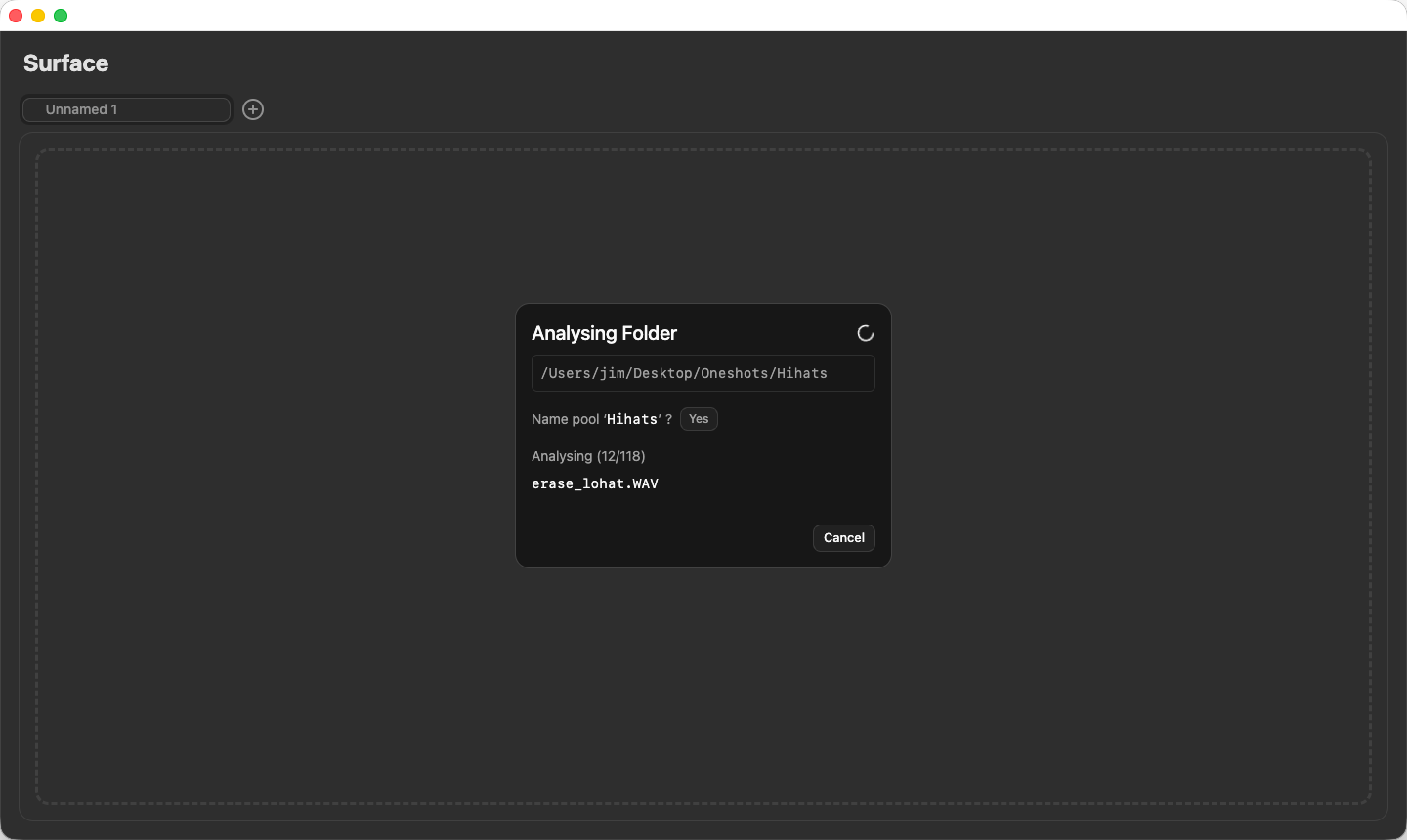
Surface bridges the gap between subjective descriptions of audio samples and their objective measurements. It allows researchers, music producers, sound designers, and other audio professionals to associate perceptual qualities such as ‘brightness’, ‘loudness’, and ‘pitch’ with measurable audio characteristics, then organise and rank sample collections according to those properties.
Electron
Surface is built with Electron, a framework that allows developers to use existing web technologies to deliver cross-platform desktop applications. In contrast to the browser, Electron gives full access to the host’s file system. Surface performs its audio analysis using Python and Node.js.
Desktop Application Music Software Audio Analysis Research Tools Complex Domain Solutions
The QuestionBoard
New interaction models for exploring and narrating educational evidence

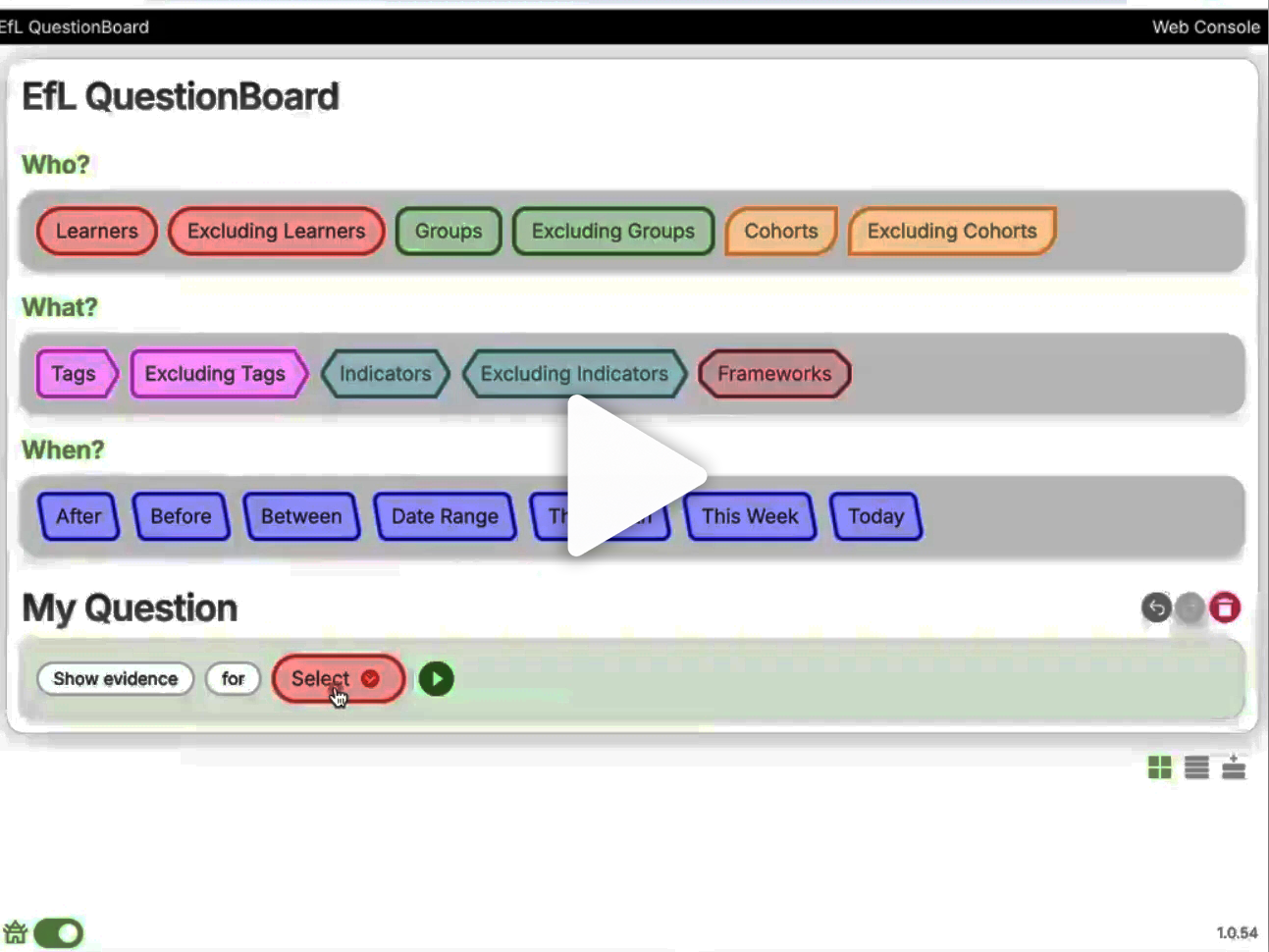

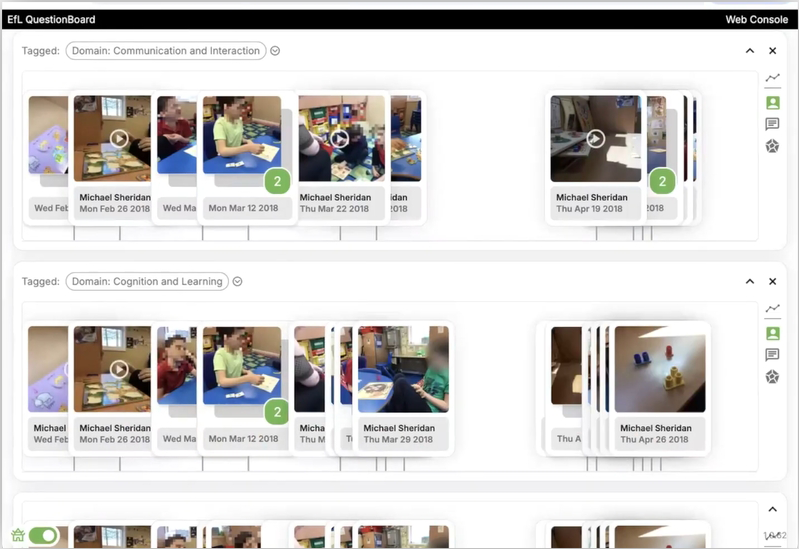
Evidence for Learning are market leaders in educational software for SEND learners. They had an awkward information problem with an awkward solution. Their brief was wide open, “We want something more creative.” The QuestionBoard is a case study in putting play to work.
As an audiovisual artist and music producer, I borrowed concepts from creative software and visual programming languages. Crossing domains led to new interaction models for querying and narrating educational evidence.
Rather than a complex database query, a drag and drop interface creates a question that anyone can understand. Presenting results as multiple lanes where users can interact with raw data turns evidence into a story that anyone can follow. The solutions we developed now define the entire forward direction of the business.
Industry standard technology stack
The QuestionBoard is built using React, Next.js and TypeScript, the industry standard technology stack for secure, accessible, and performant web applications that scale. It also uses Tailwind and HeroUI, ensuring a beautiful frontend that can be rapidly prototyped and quickly iterated in response to user’s feedback.
Jim translated our product vision into a robust React application and delivered work that has directly influenced the future direction of our platform. Barry Wood. Founder of Evidence for Learning
SaaS Education Technology UX Innovation Rapid Prototyping Complex Domain Solutions
Everyone’s Library
Arts Council–funded interactive exhibition
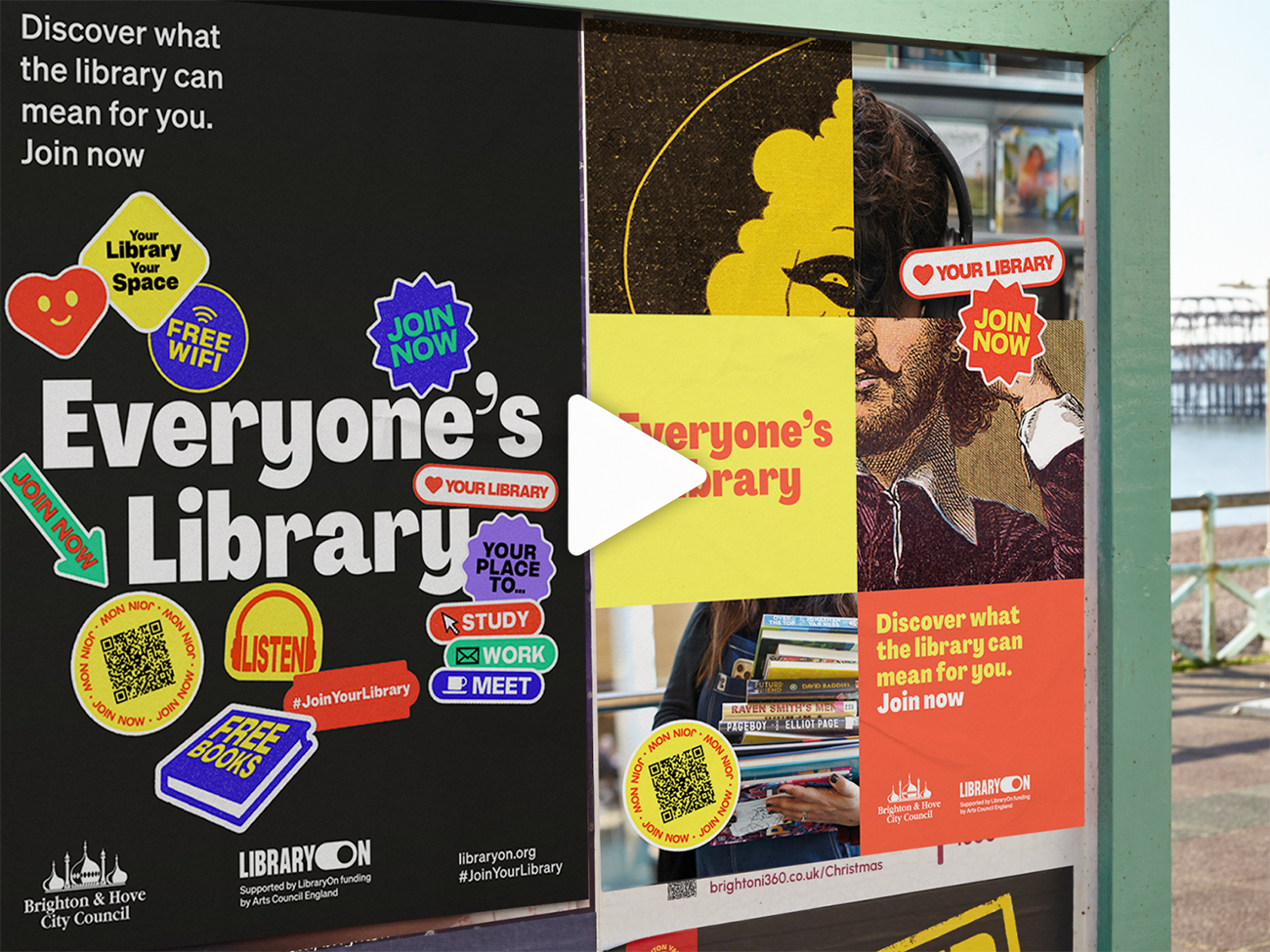
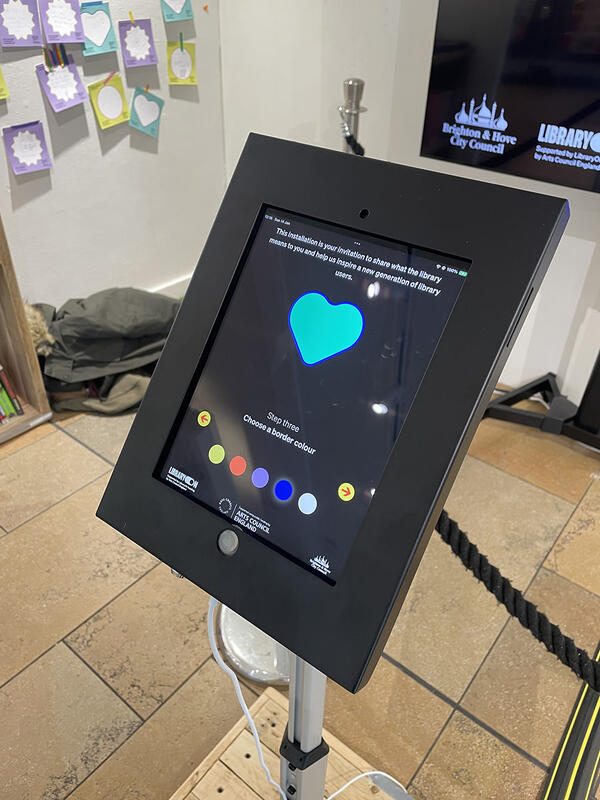
Partnering with design studio Boyle & Perks, Brighton and Hove Libraries sought a creative technologist to build an interactive exhibition in support of their Arts Council-funded Everyone’s Library campaign. The campaign aimed to engage young people aged between 12-19 with an interest in culture and the arts who had not previously interacted with libraries.
On the assumption that current library users are its best advocates, Brighton and Hove Libraries wanted to ask its frequent visitors a simple question, “What does the library mean to you?”
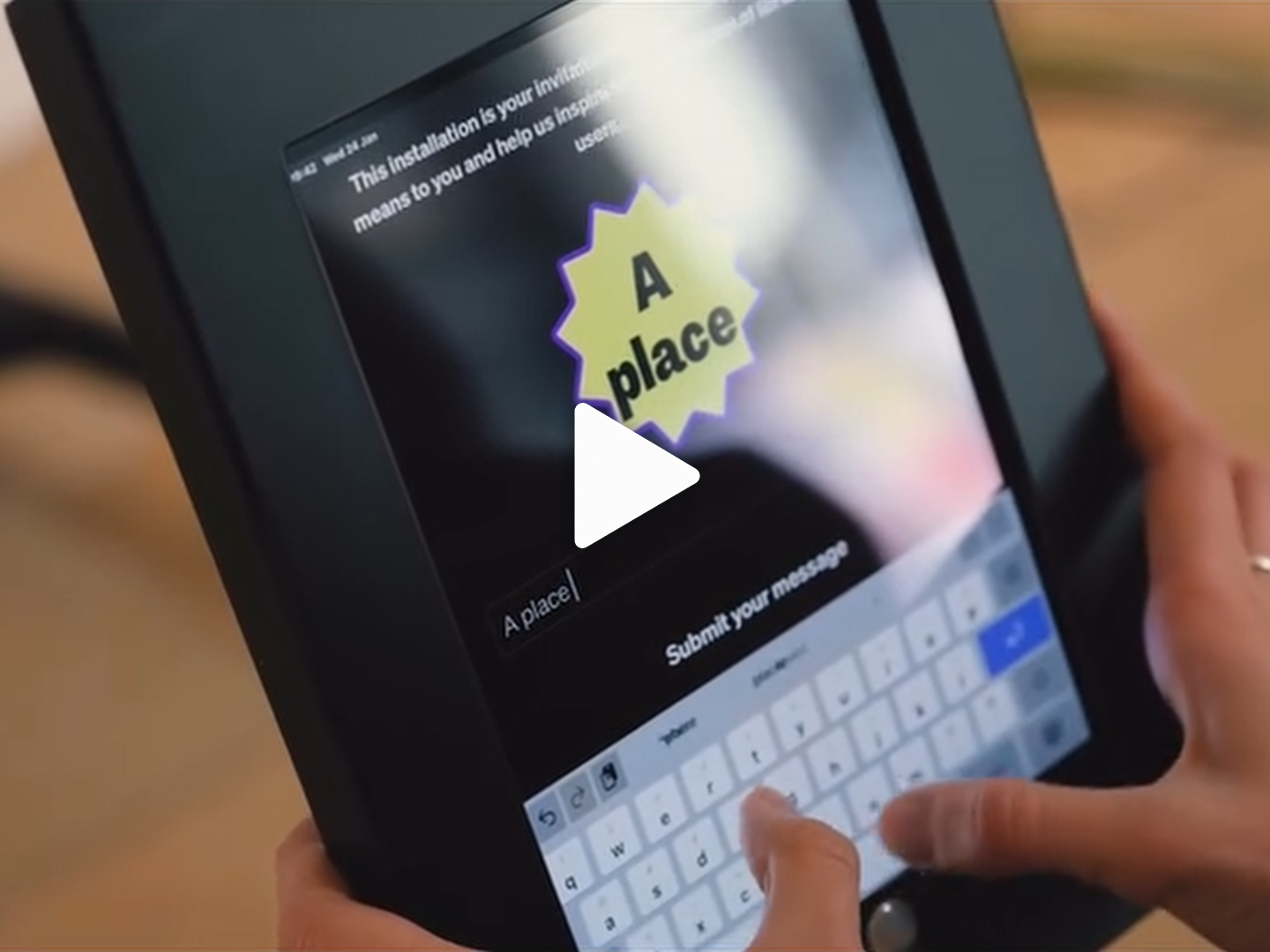
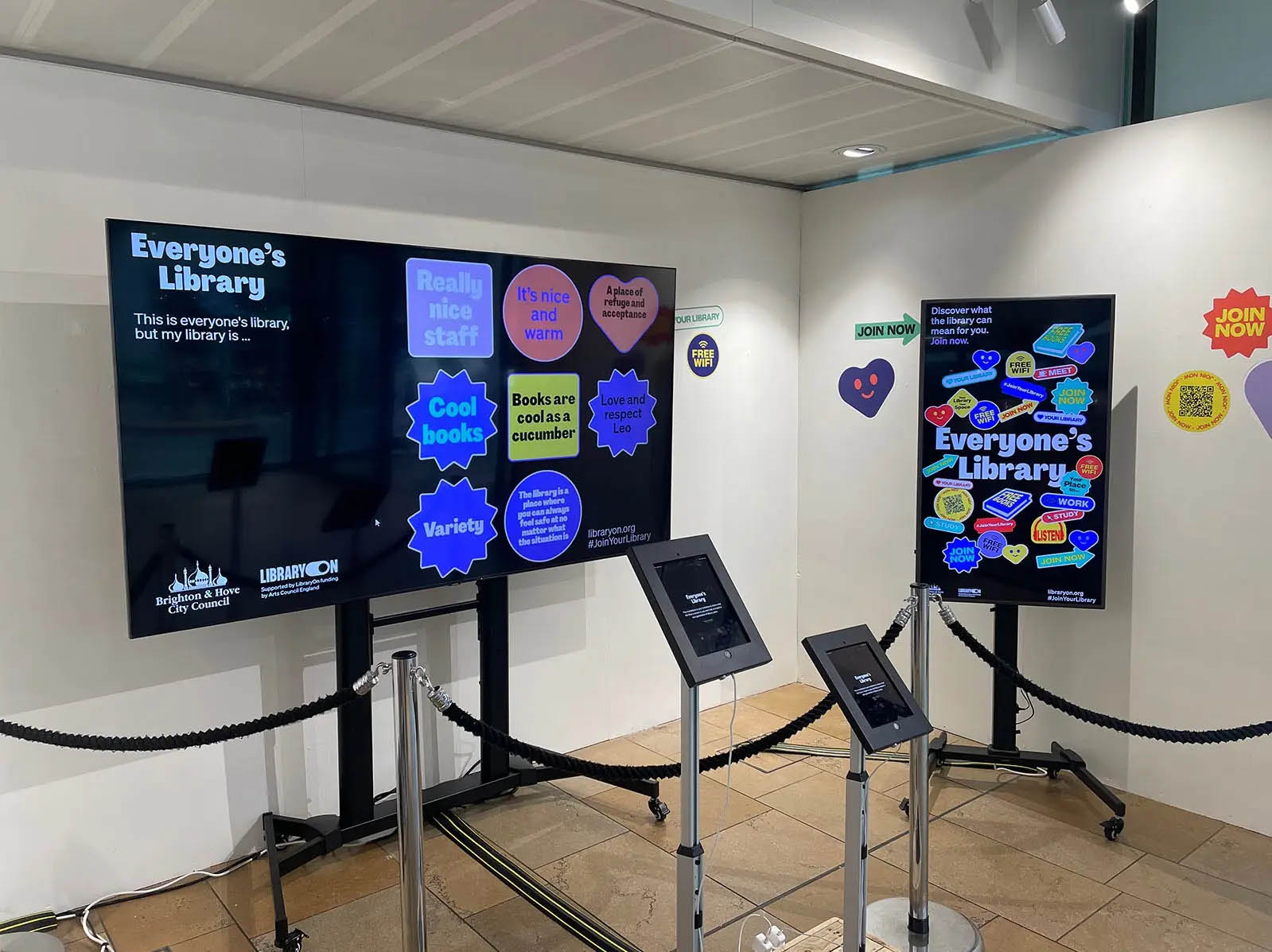
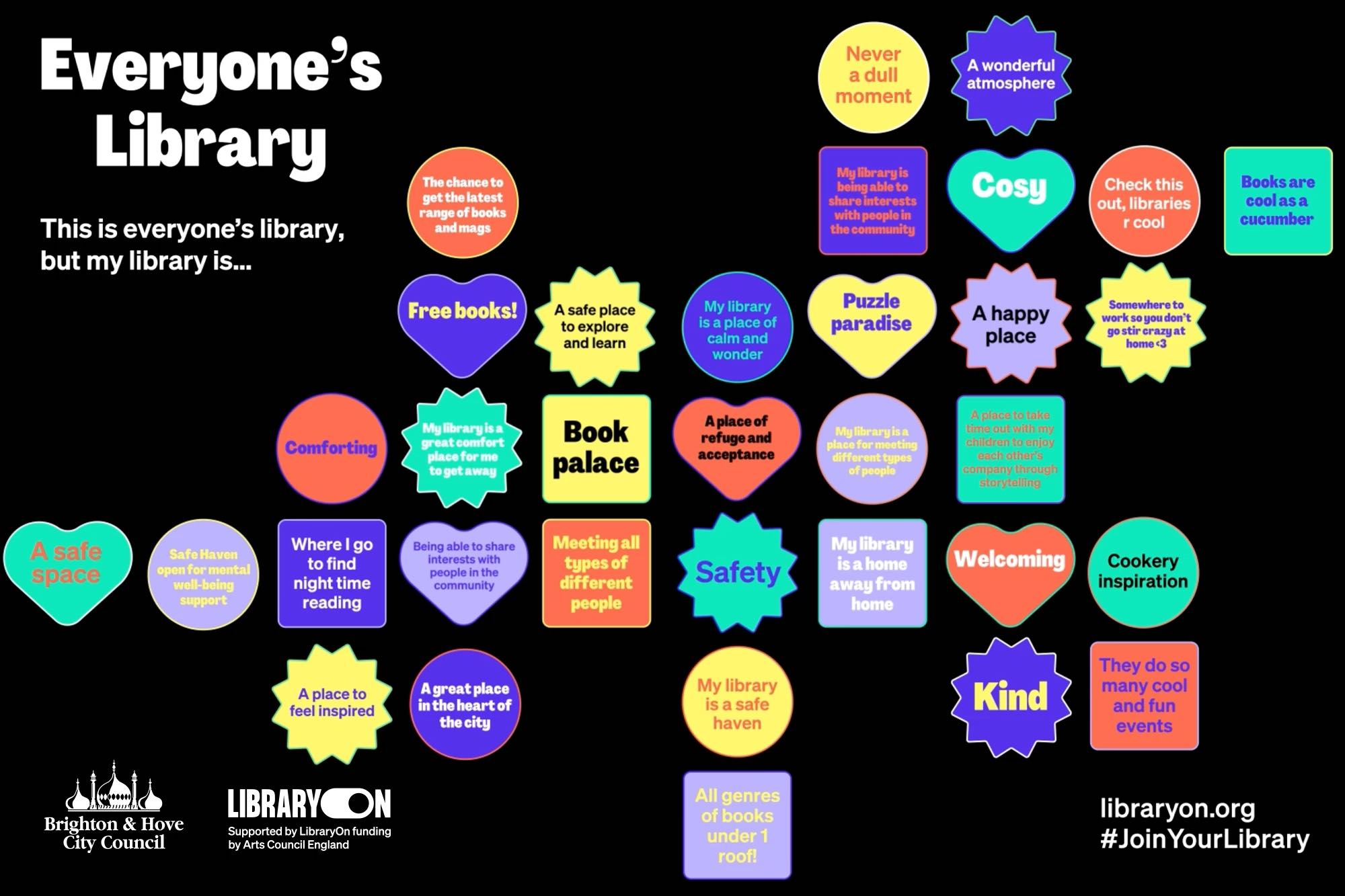
I developed an interactive installation featuring two iPads and a large plasma display to answer this question. Respondents were able to personalise messages to their taste, including shape, colours and fonts. On submission the messages appeared on the display and animated in a grid pattern that scaled as new messages were added. This created an evolving wall of stories explaining what the library meant to its users, inspiring others to use the library’s facilities for themselves.
Situated in the foyer of Brighton’s central Jubilee Library, the installation gathered over 2,500 messages contributing to nearly 500 new memberships among the target demographic.
React beyond the web
Everyone’s Library is built using React, the most popular technology for interactive web applications. Everyone’s Library demonstrates that React can deliver beyond the web into spatial environments that are normally the preserve of applications such as TouchDesigner or other specialist installation software.
Jim delivered our Arts Council–funded library installation on time and to brief, translating a complex idea into a working public-facing React application. I’d happily work with him again. Jake Smith, Digital Manager, Brighton & Hove City Council
With design partners Boyle & Perks
Interactive Installation Public Engagement Market Research Arts Council-funded
MyCorpora
AI-powered app for querying curated collections of technical manuals
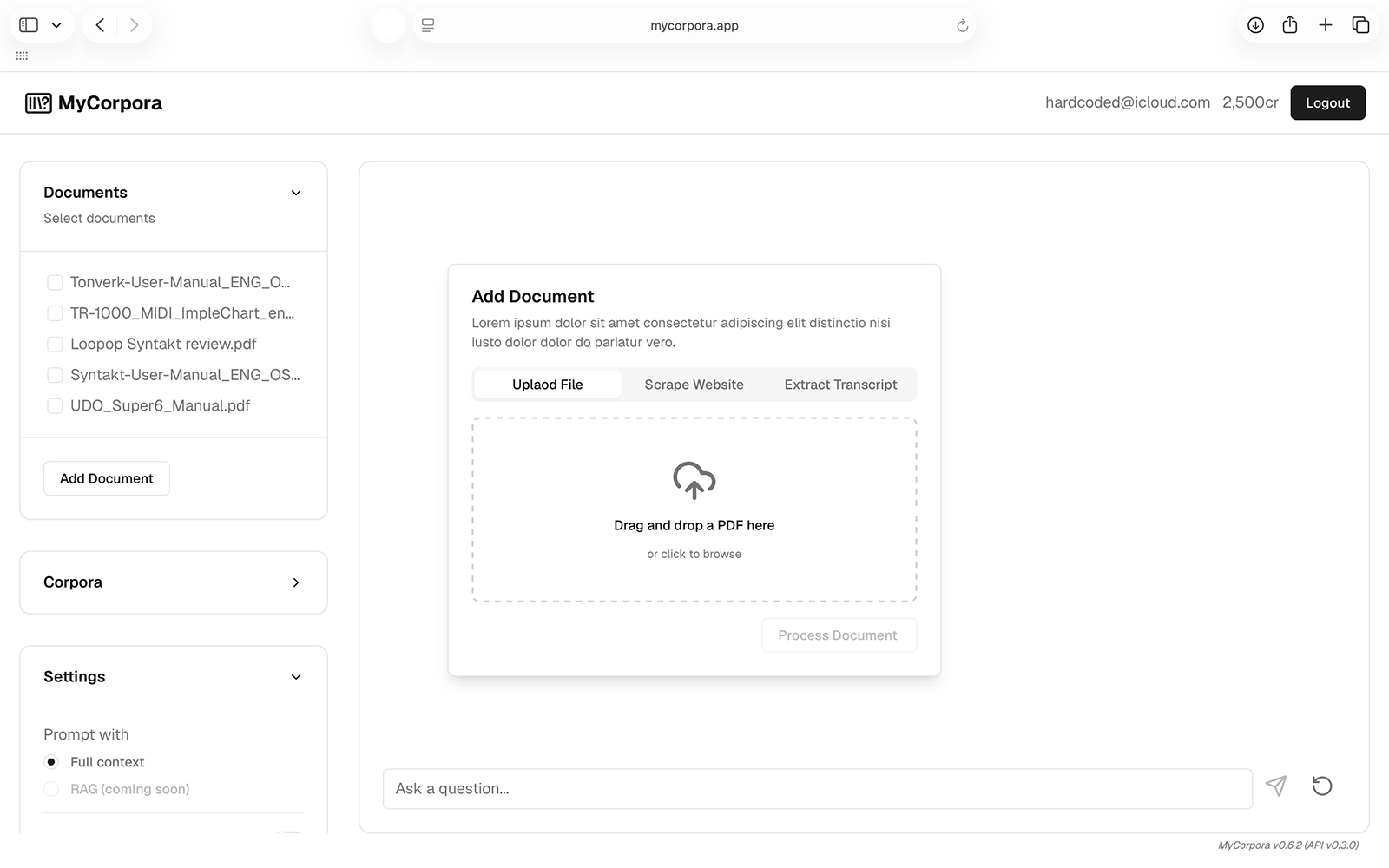
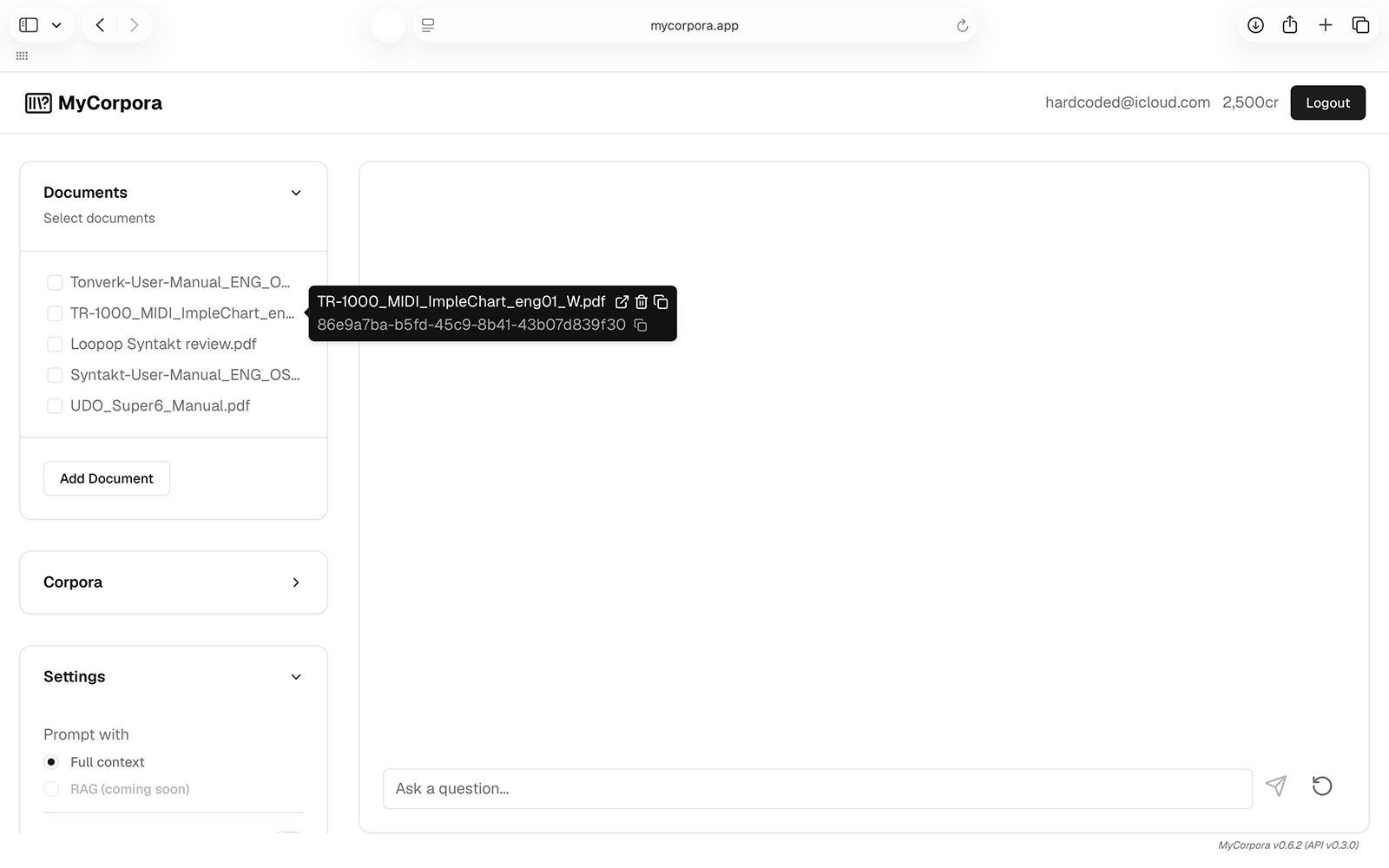
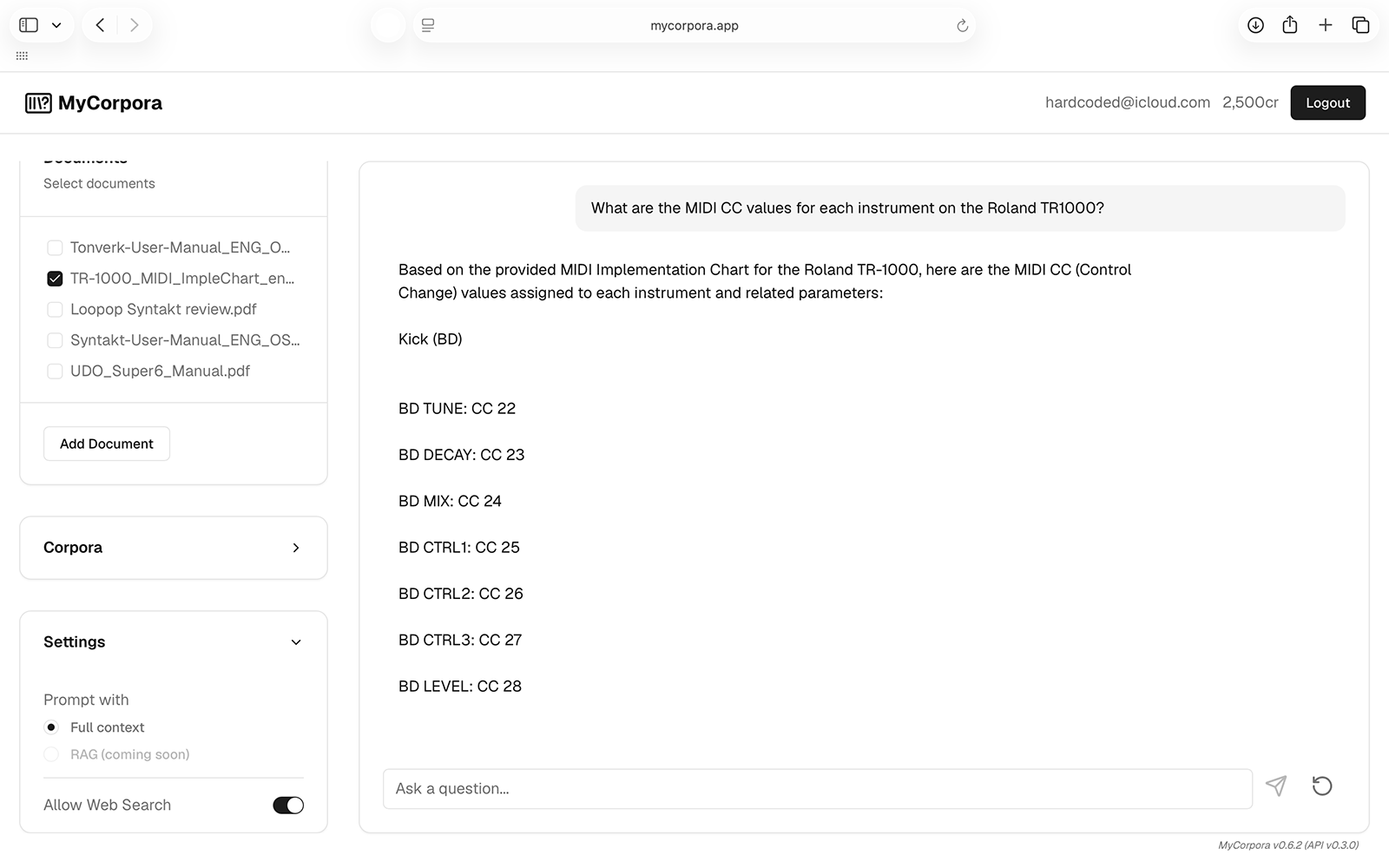
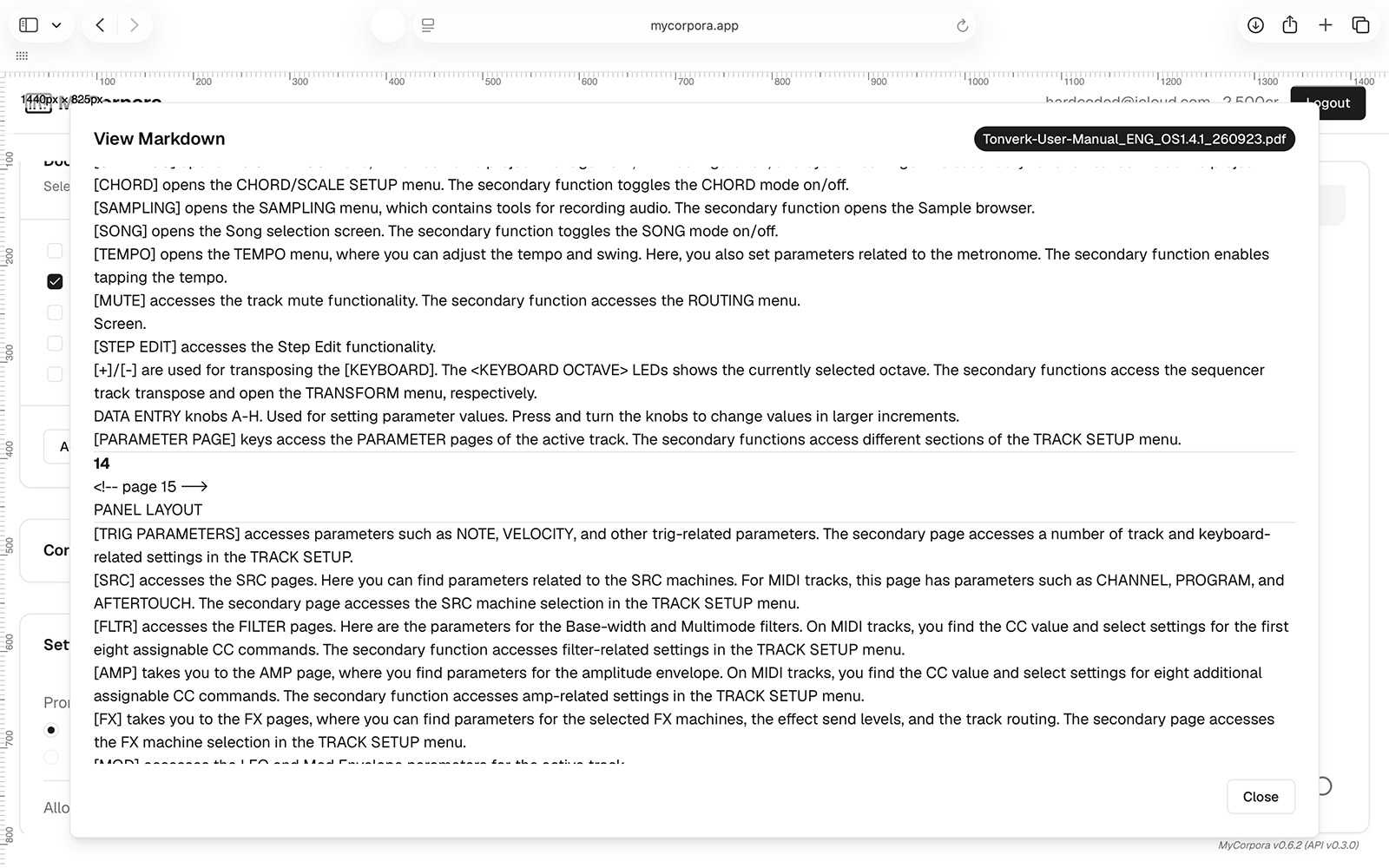
The quality of the answers from AI chatbots is heavily dependent on the prompt used and the context given to the LLM. For complex knowledge domains, responses can be outdated, over generalised, include hallucinations, or are simply wrong.
MyCorpora allows users to query LLMs with curated collections of reference material, such as technical manuals and video tutorial transcripts, control access to tools, and improve the accuracy and usefulness of responses.
Cloud services
From complex document parsing and LLM integration, to vector embedding and identity and access management, MyCorpora takes advantage of multiple cloud services that are seamlessly stitched together into a single coherent user experience. Leveraging third-party vendors also accelerates development time and allows for the application’s various sub-systems to be easily swapped at a later date.
SaaS Artificial Intelligence Agentic AI LLM Integration Document Retrieval
Patchhero
Native iOS app for the Sequential Prophet 6 and Oberheim OB6 synthesisers
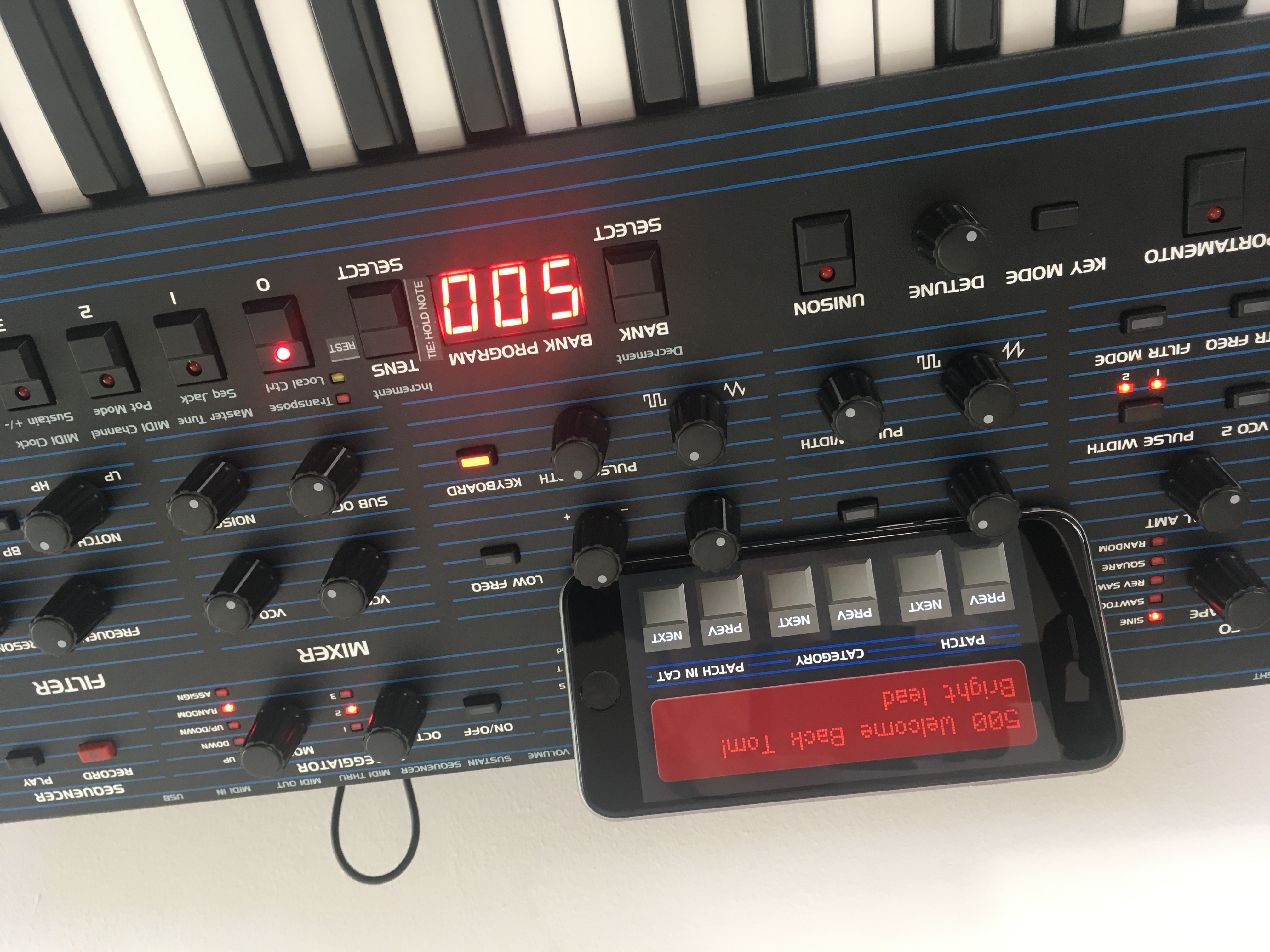
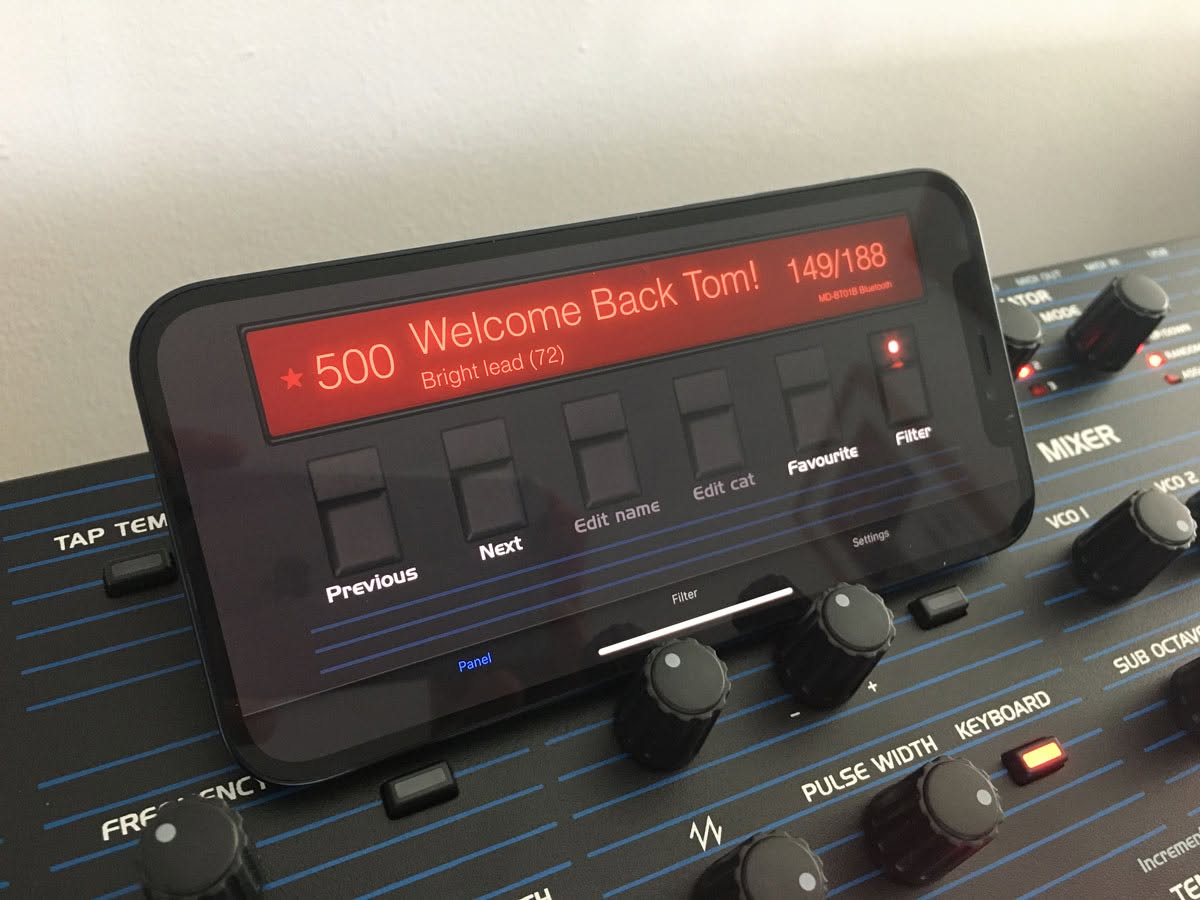
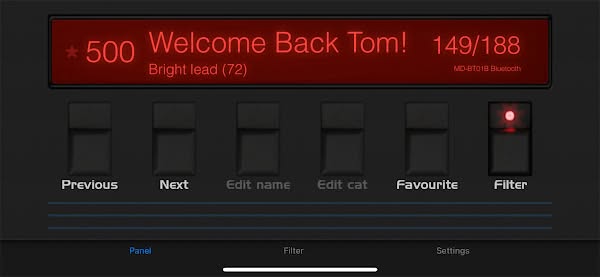
Patchhero is the missing screen for the Sequential Prophet 6 and Oberheim OB6 synthesisers. These contemporary instruments are inspired by vintage counterparts. Consistent with that heritage, both instruments feature only simple numerical displays yet hidden in the data for their patches are names and categories that the numerical displays are unable to show.
Many musicians find descriptive patch names more memorable and inspiring than numbers, and when auditioning sounds it’s helpful to organise them by category. Patchhero allows users to navigate, name, categorise, and filter patches; features that are otherwise unavailable on the instruments themselves.
Patchhero was available on the Apple App Store from 2022 to 2025 enjoying commercial success within its niche audience.
Native MIDI and Bluetooth
Patchhero was developed using Apple’s programming language Swift and delivered as a native iOS app, ensuring direct access to Apple’s MIDI and Bluetooth implementations, which were necessary for the app to work reliably.
Native iOS App Hardware Integration Product Enhancement Music Software MIDI
The Stolen Orange
Gallery installation and online interactive fiction
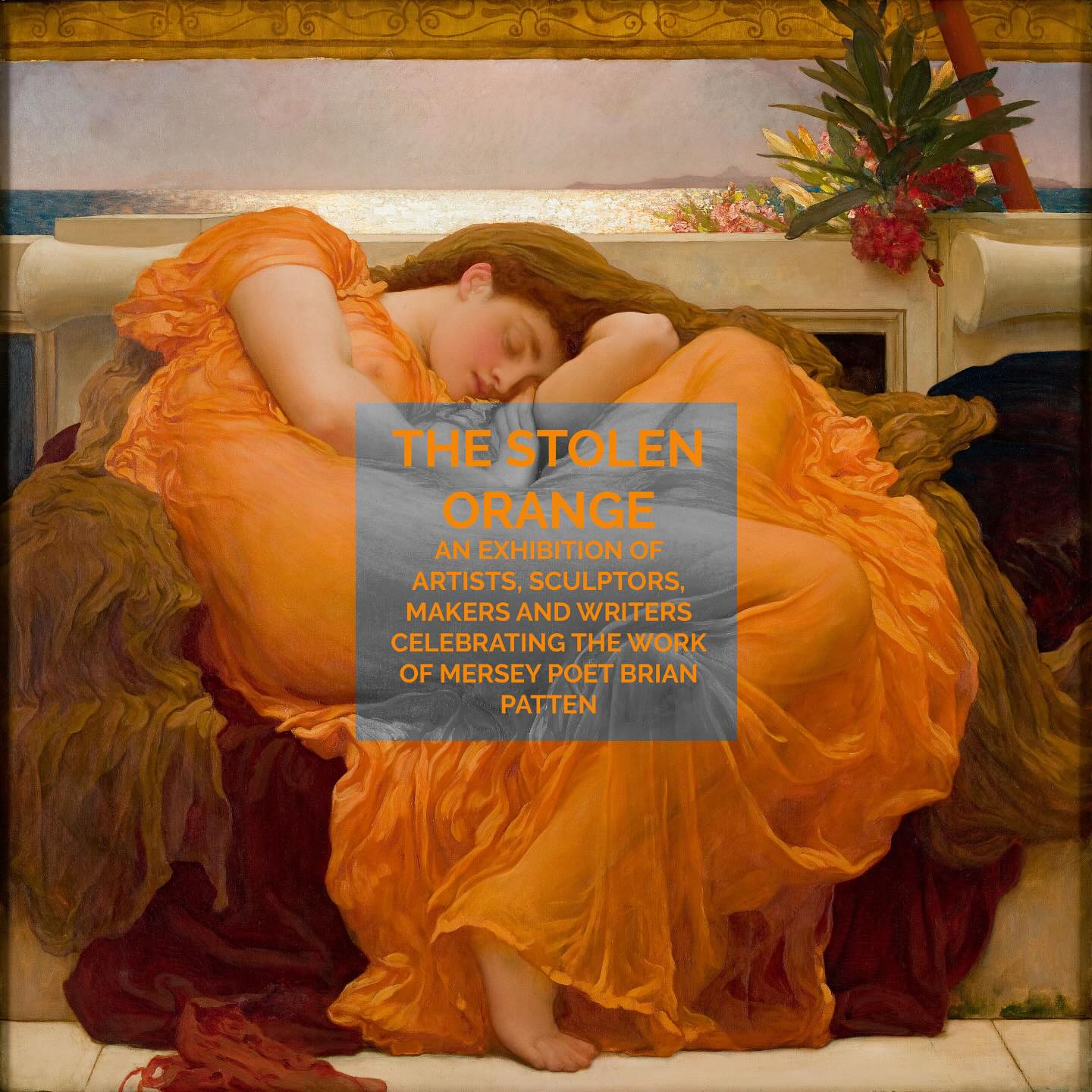
Last year I was invited by the British painter Sarah Shaw to contribute a piece of writing to The Stolen Orange, an exhibition celebrating the poem of the same name by Mersey poet Brian Patten. Conscious that text can easily be overlooked, I asked myself how I might contextualise my writing in a gallery setting.
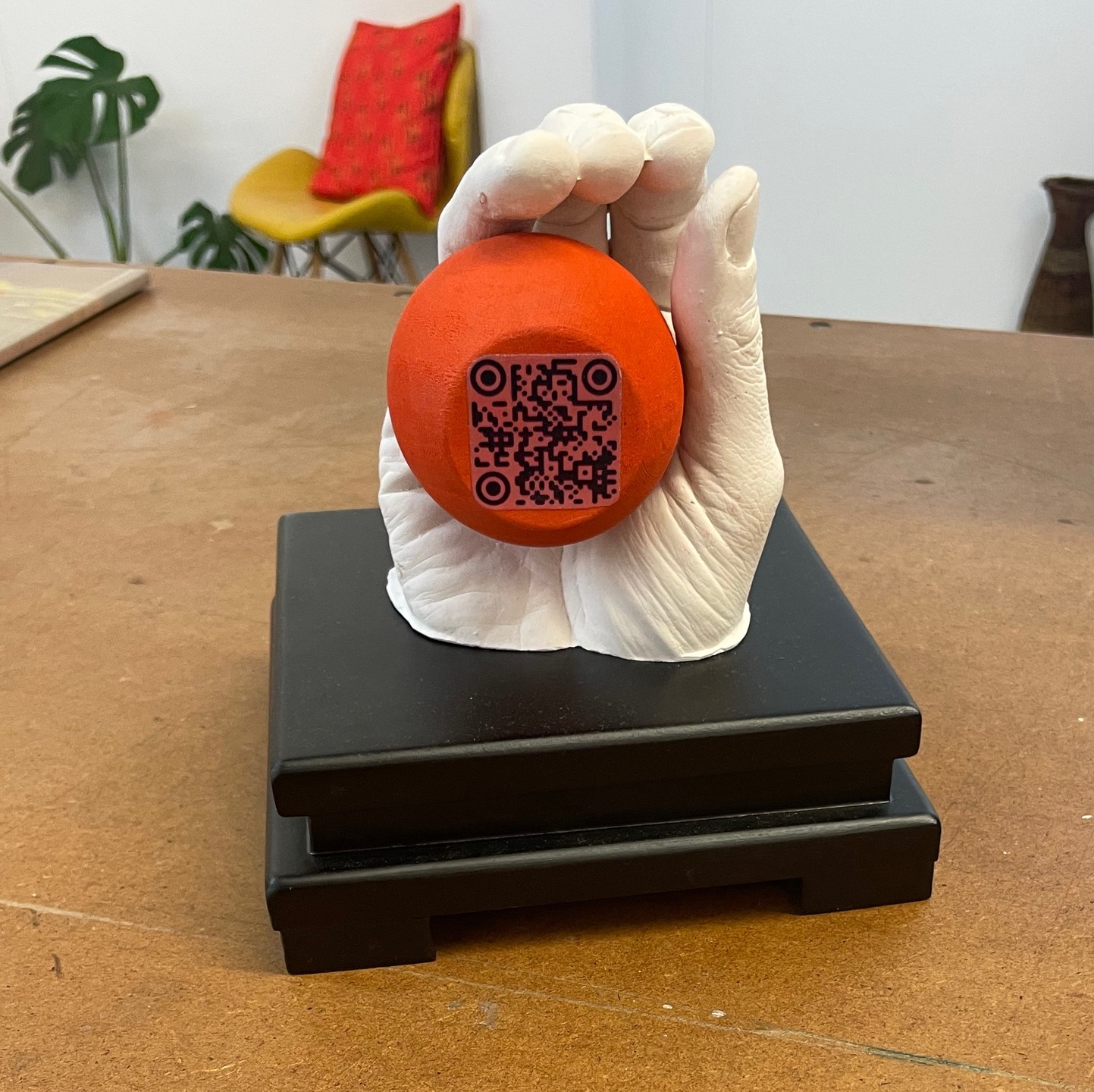
The work is first encountered as a plaster-of-Paris cast of my hand, mounted on a wooden base, holding an orange. The viewer's expectations of a piece of art presented in a gallery are satisfied. On the orange is a QR code. The viewer's expectations are disrupted.
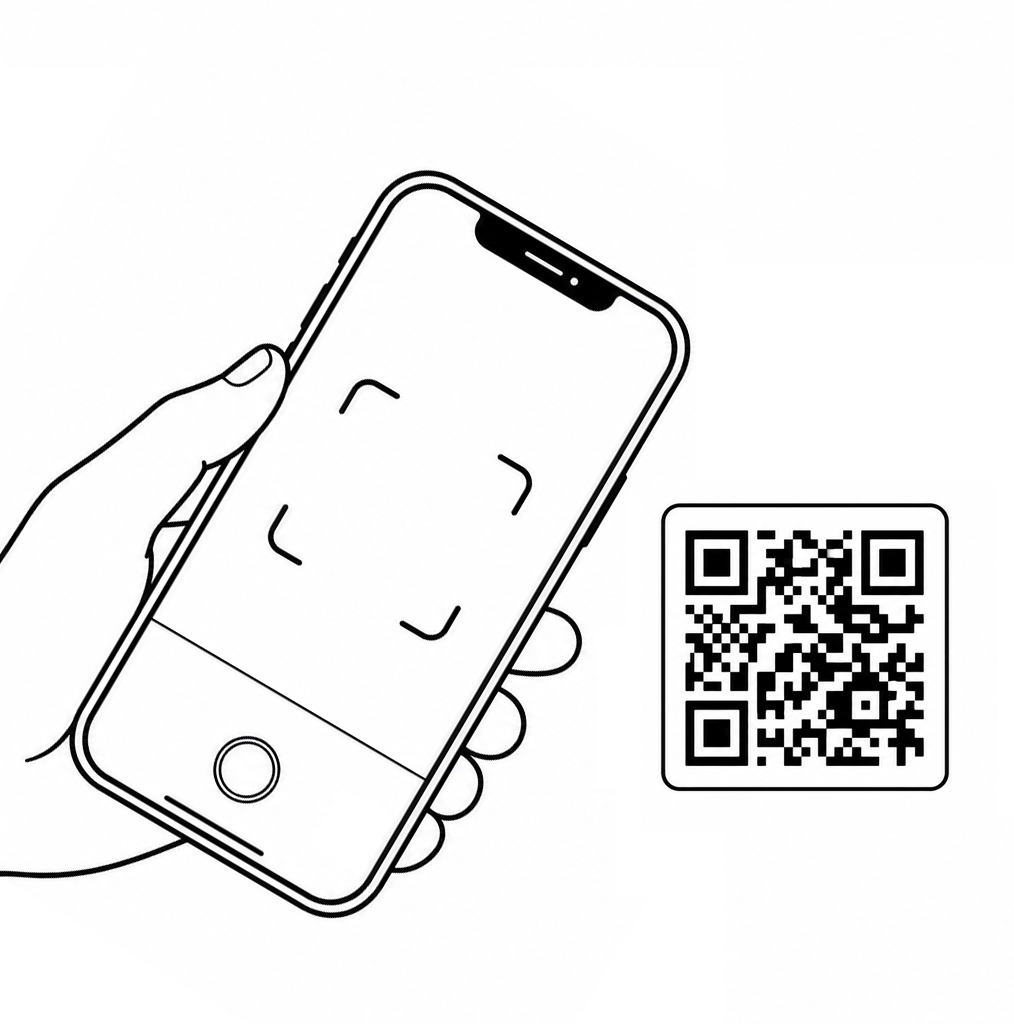
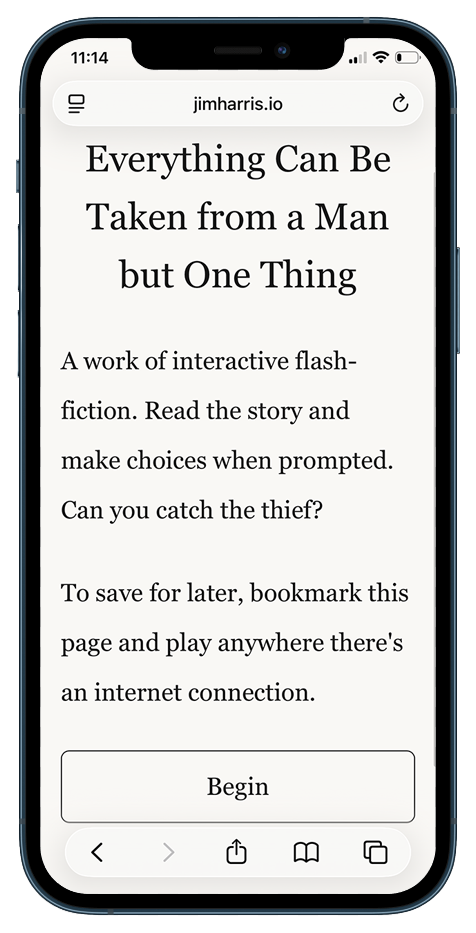
The QR code directs the viewer to a website where the written piece is hosted. Rather than present the writing in a static form, I used the interactive nature of digital platforms and presented the writing as a work of non-linear, interactive flash fiction.
Through the gateway of the ubiquitous QR code the viewer is led from the exterior world of the gallery to the interior world of reading and becomes not only a passive consumer but also an active participant. The means of engagement reflects the central theme of the poem. They must navigate the story through a series of choices that force them to approach the narrative world with hope, resignation or avoidance.
Interactive Storytelling
The online interactive story is delivered using a bespoke React-based narrative engine that borrows concepts from platforms such as Twine and Ink, both industry standards in video gaming and experience design.
Gallery Installation Interactive Storytelling Non-linear Narrative QR Code
Pinch
Ableton Live Extension for unusual off-grid effects
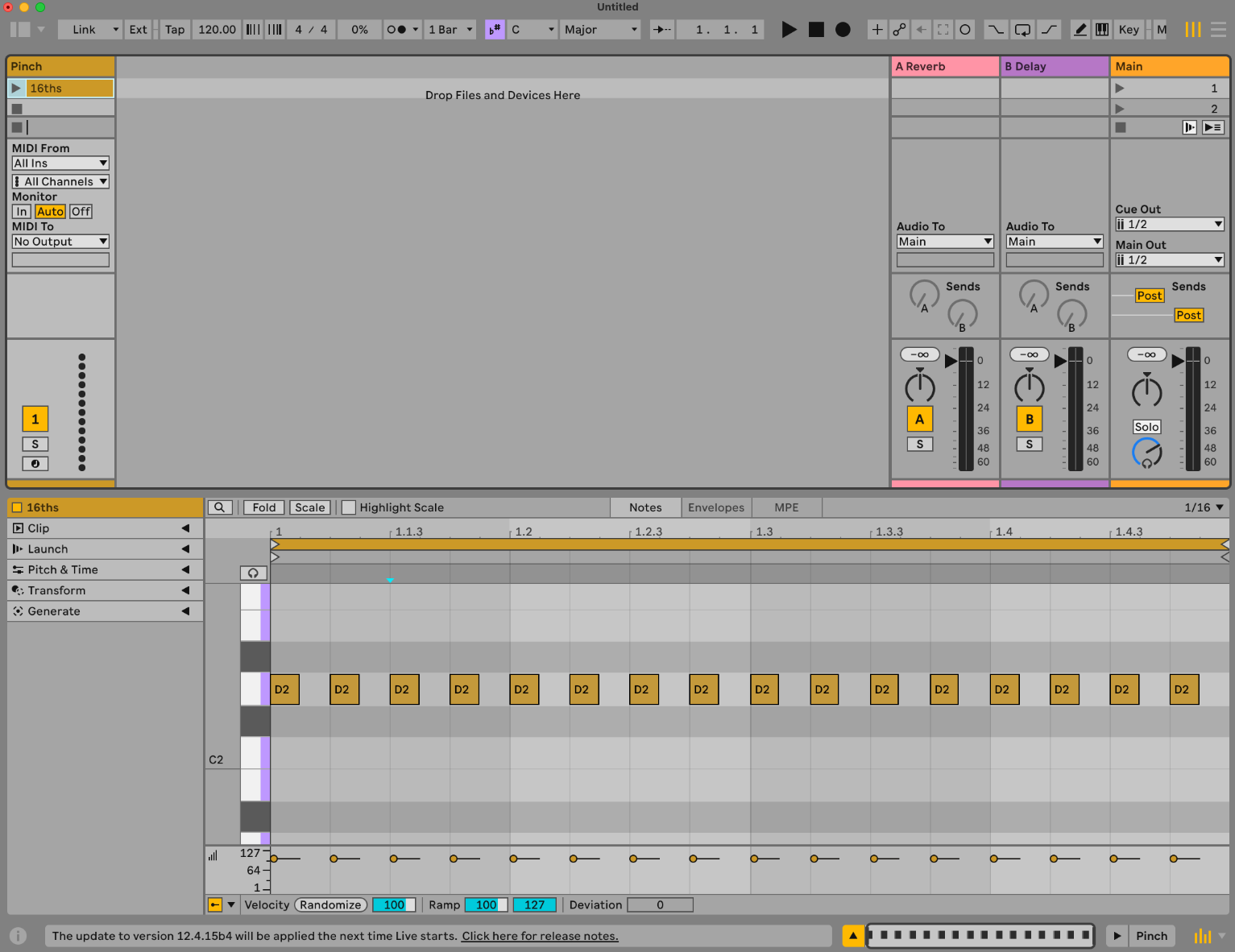
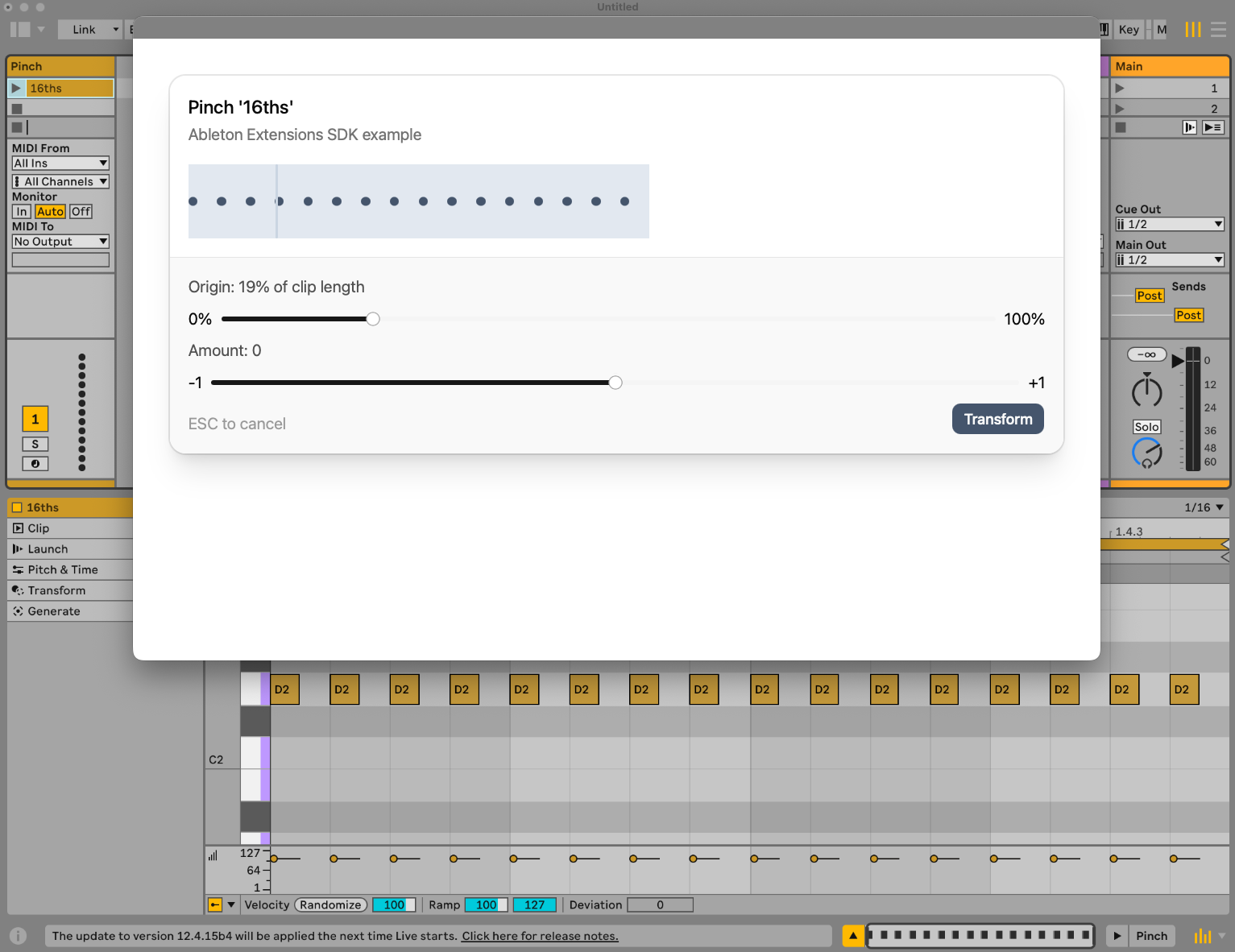
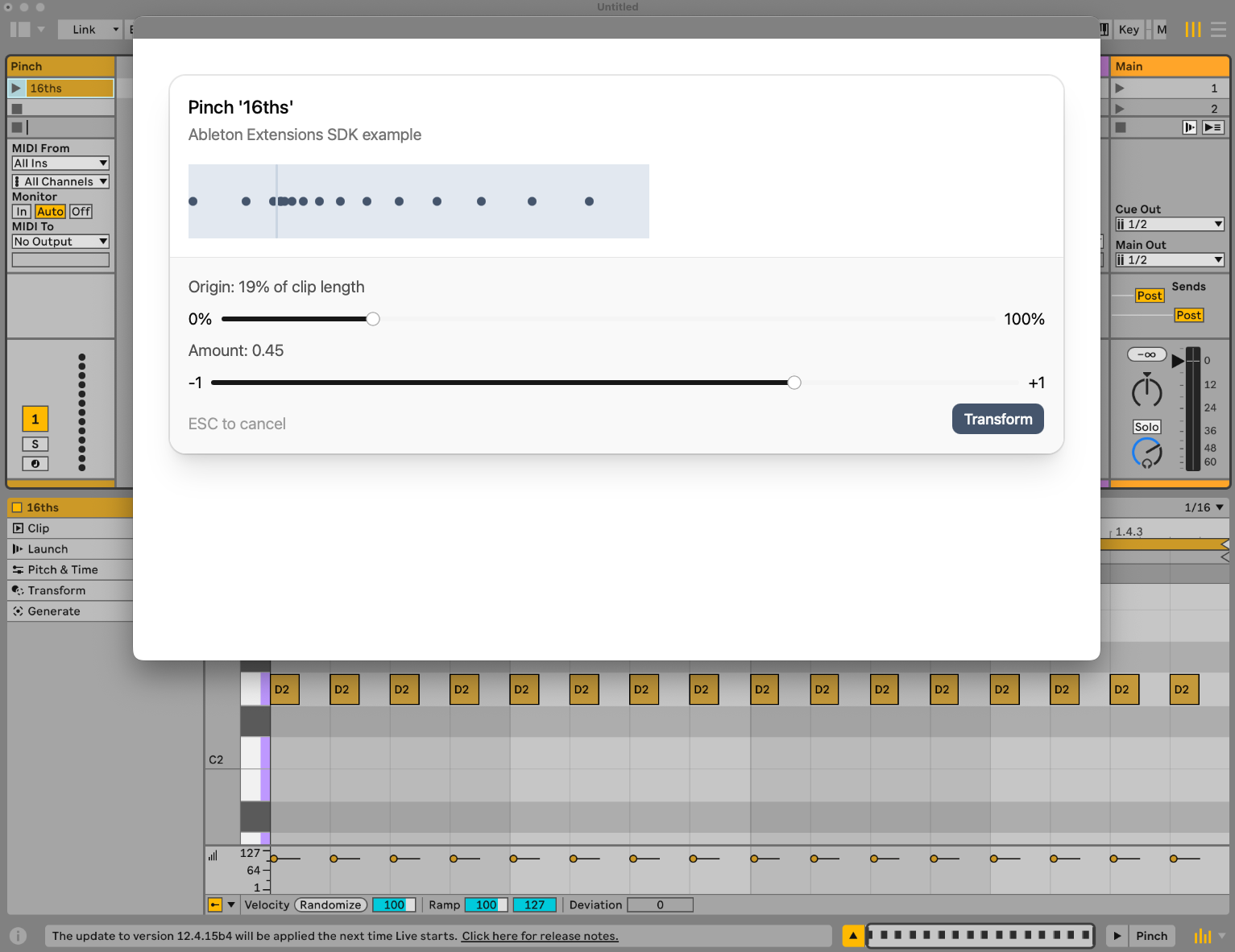
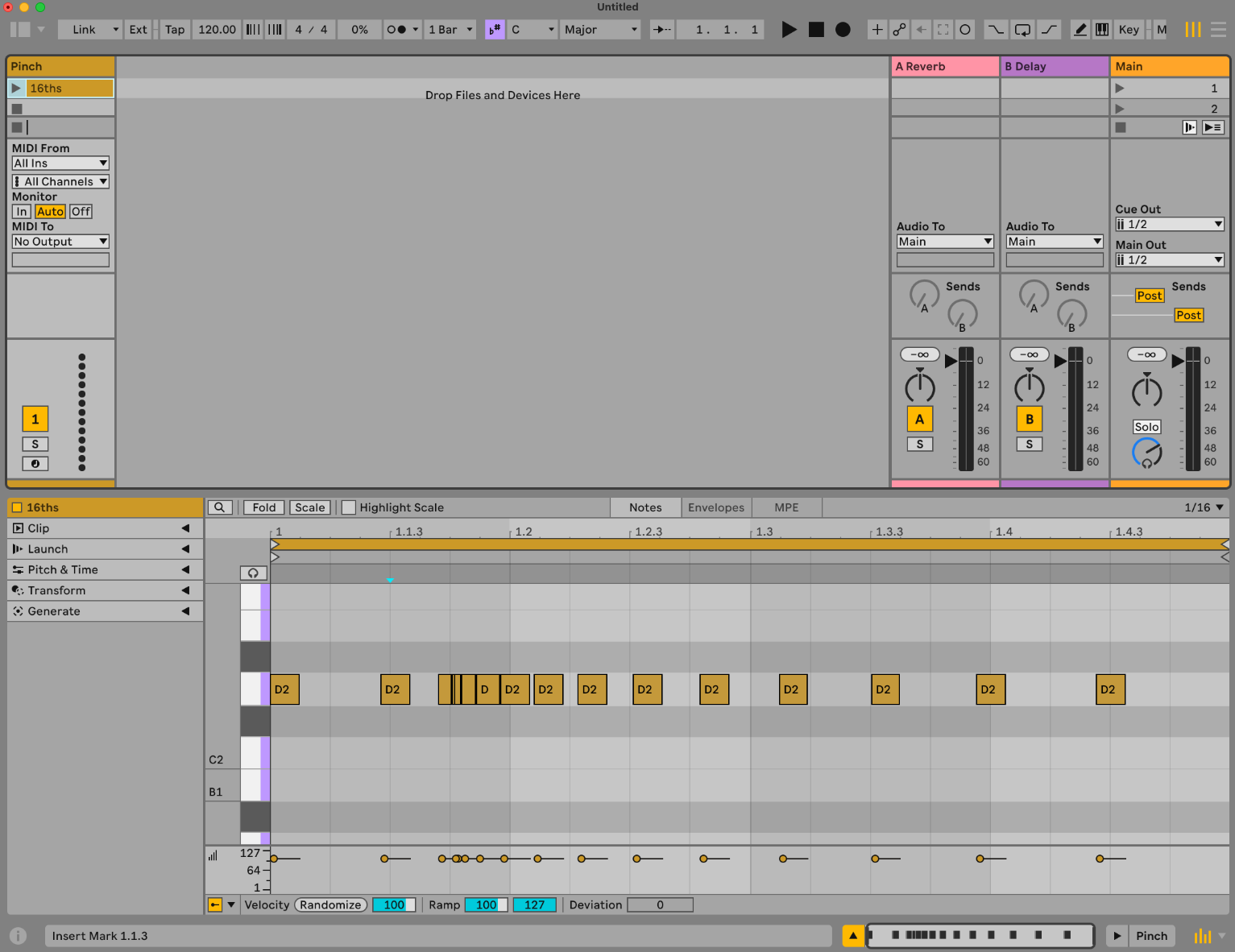
Ableton Live is the market-leading digital audio workstation for electronic music production. With the Live 12.4.5 beta, Ableton introduced the concept of Extensions. Extensions provide users with a way to develop and use their own tools within Ableton Live. Keen to experiment with several ideas in what was a previously more closed system, I developed Pinch.
Pinch reads the MIDI events in a clip and pushes or pulls them off-grid towards a user-definable point in time by a specified amount. Perfect for glitchy rhythms, unusual timing, and stuttering or push-pull effects.
Ableton Extensions SDK
The Ableton Extensions SDK is written in JavaScript opening up Ableton Live to a broad ecosystem of libraries and developers. Behind the scenes, Pinch launches a temporary Node.js server to circumvent the various limitations of the current beta release of the SDK.
Ableton Live Extension Creative Coding Oblique Strategies Music Software
Slow Motion
Max for Live device for long-form modulation
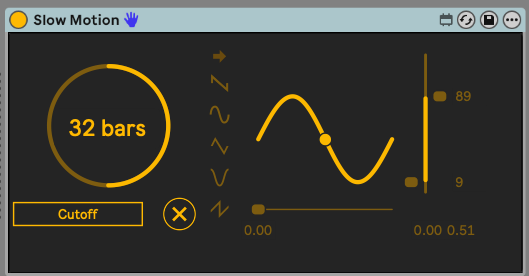
Automating modulation with an LFO is a foundational production technique in electronic music. However most LFOs focus on short time periods unsuited to genres where more hypnotic and evolving structures are the norm.
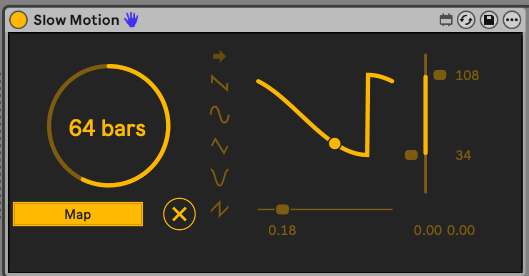
Slow Motion is an LFO focused on long-form modulation where a waveform’s period is measured in bars rather than milliseconds or hertz, allowing musical parameters to evolve gradually over extended periods.
Max for Live
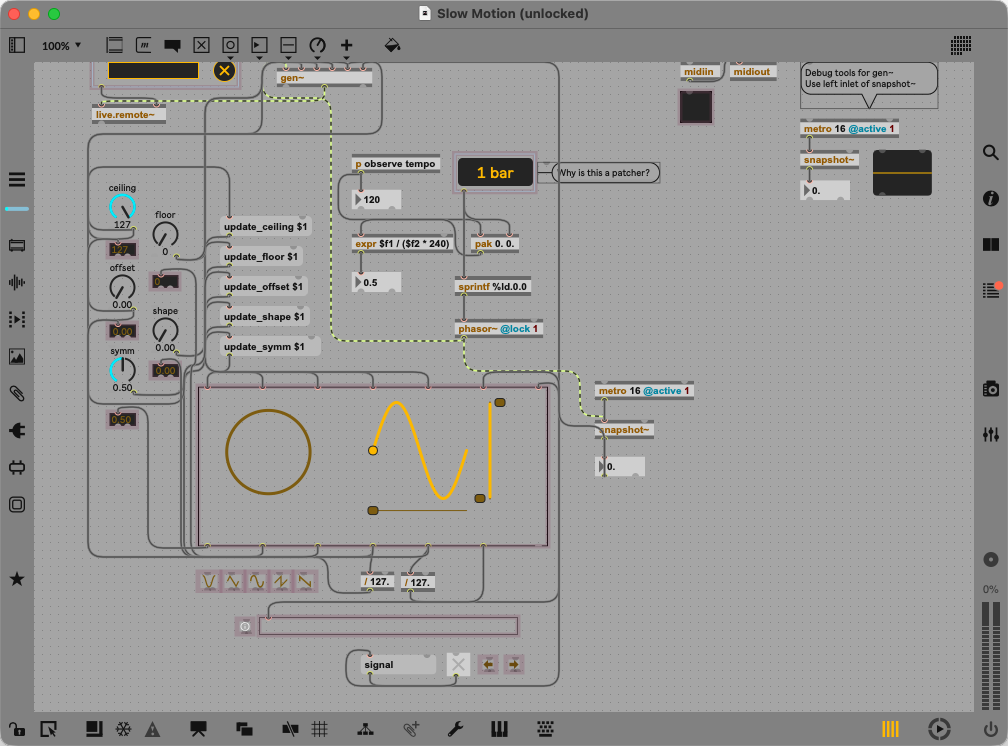
Slow Motion replaces Max for Live’s default presentation layer in favour of a richer, more visual interface allowing complex modulation behaviours to be explored and controlled more intuitively.
Max for Live Creative Coding Oblique Strategies Music Software